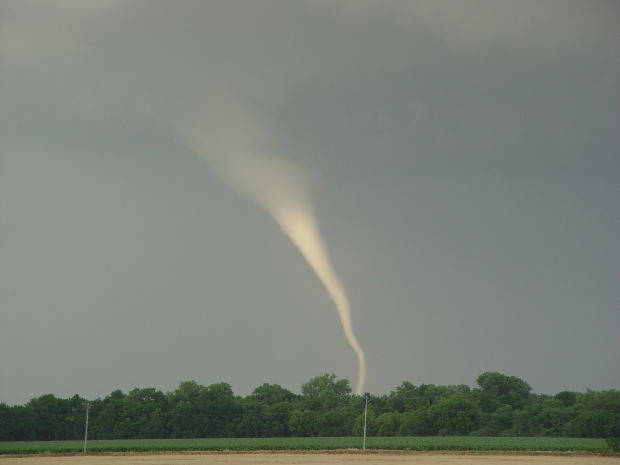
 After more than 50 years, scientists are still learning more about the 1965 Palm Sunday tornado outbreak. This storm caused massive amounts of storm damage across western Michigan.
It’s called “forensic meteorology,” weather service meteorologist Ernie Ostuno explains. Researchers continue to discover details about the twisters that weren’t known days or even years after the event.
Ted Fujita, the meteorologist who cam up with the tornado F-scale, the west side of Michigan shortly after the deadly F-4 tornado rampaged through Ottawa and Kent counties on April 11, 1965. The twister touched down roughly northeast of Allendale and dissipated around Cedar Springs — a 24-mile path drawn by a tornado as wide as three-quarters of a mile.
This past weekend’s 50th commemoration event of the Palm Sunday outbreak, journalists and other researchers searched the region to try and find additional details surrounding the storm. The track of the tornado was revised to ten miles, meaning it went further north and southwest than originally thought.
Russell Schneider, director of the U.S.’ Storm Prediction Center, was a speaker at Saturday’s commemoration event.
He provided a look into the Great Lakes region’s weather and the forecasting challenges ahead. Although Lake Michigan usually shields most of the area from severe weather, it doesn’t always protect us, he said.
It is only a matter of time before another incident like the event in 1965 will happen a again, now just in a more populated area. The most important thing people can do is prepare for the storm before it happens.
[ssba]
| Other Cities we Serve: | Our Services: | Links and Resources: |
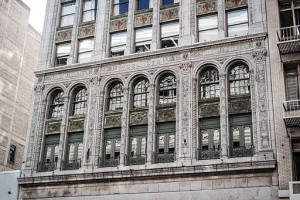 The developers of Detroit’s delapidated Wurlitzer Building are making strides toward plans for the 1926 downtown building.