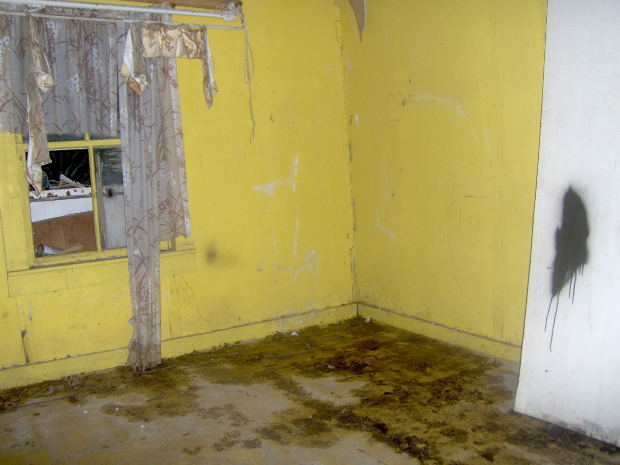
The most prevalent natural disaster inside the U. S., floods can wreak havoc on a house by making a home wet even long after the waters have receded. During the last five years, the standard paid flood insurance policy claim was greater than $35,000, according to the National Flood Insurance coverage Program (NFIP). From damaged personal items to mold that may impact the health of a home and loved ones, taking the right steps to restore real estate after a flood can limit the amount of damage dealt.
Here are five steps to preventing mold in your home after a flood.
1. Safety First!
• Once any building is flooded, inspecting and documenting damage is vital for several reasons, including insurance and also tax purposes. Electric powered, gas, structural and also other safety hazards present should be eliminated “before” assessing physical harm to the building and also contents.
• Once safety and health hazards have been checked and mitigated, inspect your possessions. Generally, the guideline is that everything below the stream line gets trashed. Building materials and anything above the stream line should be inspected for staining, odor, mold, and damage.
2. Remove the Mold!
• Extract standing water using a pump or drenched vacuum from slabs, cellars, crawlspaces, heating systems and also anywhere water may be sitting. Shovel or perhaps flush out remaining silt and fine sand.
• Next, remove all wallboard product (e. g., plaster, drywall, paneling), flooring (e. grams., carpet, hardwood, vinyl flooring), insulation and any other wet materials that are below the water line.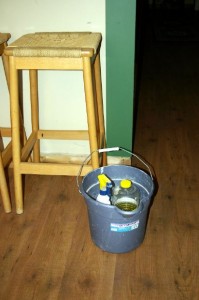
• Take out water damaged contents. Consider photographing or video-taping your experience for insurance purposes.
3. Clean Your Home
• Start with vacuuming all the loose debris and soil as is possible. It is preferable try using a HEPA vacuum, but a straightforward wet/dry vacuum perform. When using any wet/dry vacuum, attach a hose towards the exhaust and port the exhaust air towards the outside. This keeps dust, spores and also other fine particles coming from being suspended inside the air and paying off back on thoroughly clean surfaces.
• Clean framing using a pressure washer or perhaps low-pressure flushing. Scrub framing using a mild detergent (e. grams. dish soap) to remove embedded soils. Wipe all adjacent surfaces using a mild detergent. Rinse off by low-pressure flushing or perhaps wiping with thoroughly clean water. Vacuum all remaining moisture employing a wet/dry vacuum.
• If mold is visible and remains soon after cleaning, additional scrubbing or perhaps multiple rounds of cleaning can be necessary. If significant mold growth exists, or if occupants in the room have immune insufficiencies, are elderly, expectant, or if you’ll find young children existing, an IICRC* Certified restorer ought to be contacted. To find a local IICRC Qualified Firm, go to be able to www. iicrc. org or perhaps call (360) 693-5675.
• In fact surfaces are thoroughly clean, wipe surfaces using a sanitizer such as a solution of as much as ¼ cup of bleach to at least one gallon of h2o. After 20 moments, wipe surfaces applying clean water. This step helps neutralize remaining or embedded toxins.
• For individuals with chemical sensitivities, perform multiple times of cleaning instead of using bleach.
4. Dry Your Home ASAP!
• Mildew spores will be everywhere around your home, and it is impossible to remove all them and all of the other contaminants. The only substance mildew spores need to grow is.. you guessed it… water. So your best choice is to dry the affected areas of your home as quickly as possible
• The important thing is directing dry air to wet surfaces. This directed airflow should be directed in and out of the house, and you might want to use dehumidification tools.
• Drying any wet building correctly is hard work. You might want to hire your mold remediation Michigan specialists to help you with drying your home. These experts will use state-of-the-art equipment to remove moisture from ventalation systems, flooring, walls, and carpet.
5. Keep it Clean, Keep it Dry
• The cardinal rule for preventing mold growth is to keep your surfaces dry. Strive to ensure your house stays dry and you will can rest easy knowing that you are doing your best to keep mold from invading your home. As a general rule, keep your home’s humidity under 50 percent. you can easily do this by purchasing a dehumidifier.
No one wants to experience the devastation of the flood, but by keeping your home dry you can limit its impact on the health of your family and your home. For more info on mold remediation Michigan and other restoration services, visit our blog.
[ssba]
| Other Cities we Serve: | Our Services: | Links and Resources: |